DAY 2 - Thursday, December 3rd, 2026
DAY 2 - Thursday, December 3rd, 2026
Designing Experience That Drives Measurable Outcomes
8:00 am - 8:30 am
REGISTRATION & BREAKFAST
8:00 am - 8:30 am
WELCOME REMARKS
8:00 am - 8:30 am
CHAIRPERSON’S OPENING REMARKS – NRC Health
Sponsored by: NRC Health

8:00 am - 8:30 am
KEYNOTE: From Units to Journeys: Breaking Silos by Rethinking How we Measure
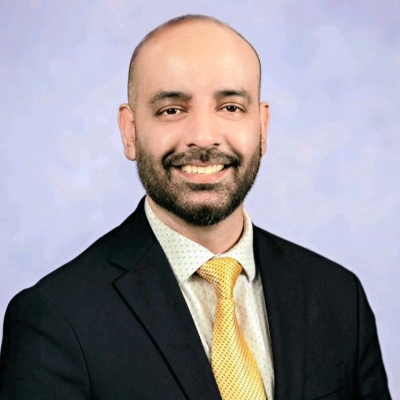
Aamer Ahmed -
Vice President and Chief Experience Officer,
Tampa General Hospital
Traditional patient experience strategies often rely on surveys and departmental scores, missing the full picture of how patients move through care. In this keynote panel, Aamer Ahmed will explore a shift toward understanding the complete patient journey—moving beyond episodic metrics to more holistic, insight-driven approaches.
8:00 am - 8:30 am
KEYNOTE PANEL: Why Experience Metrics Belong in Quality Dashboards
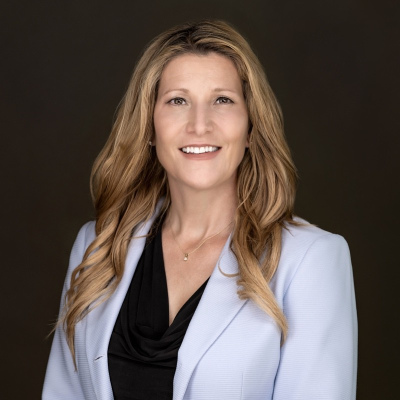
Jennifer Carron Passon -
Chief Patient Experience Officer,
BJC HealthCare
Rachel Hitt -
Medical Director, PX for TMIN, Chief of Breast Imaging, Tufts Medical Center,
Tufts Medicine Integrated Network
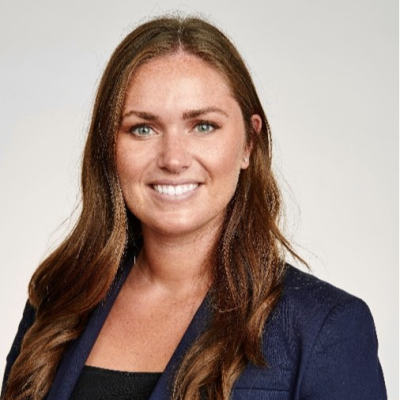
Cassandra Cisneros -
Director, Patient Experience,
Penn Medicine
Tom Tull -
VP,Chief Experience Officer,
Ballad Health
Connect patient experience metrics to the outcomes that matter most by integrating them into quality dashboards. This keynote panel explores why experience data belongs alongside safety, clinical, and operational measures—and how leading organizations are using it to drive accountability and improvement. Learn how aligning experience and quality metrics creates clearer insight, better decisions, and stronger performance across the system.
Rachel Hitt
Medical Director, PX for TMIN, Chief of Breast Imaging, Tufts Medical CenterTufts Medicine Integrated Network

8:00 am - 8:30 am
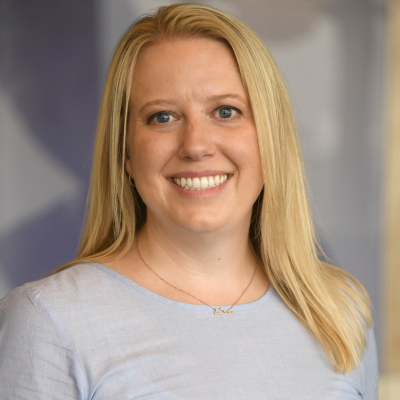
KEYNOTE PRESENTATION: Lessons From Both Sides of the Bedside When the Healer Needs Healing
Leslie Ridall -
Medical Director of Patient Family-Experience,
Children's Hospital Colorado
In this keynote, Leslie Ridall, MD, Medical Director of Patient and Family Experience at Children's Hospital Colorado, reflects on her journey through healthcare as a physician, patient, and parent. Diagnosed with MS at the start of COVID while caring for a critically ill infant and later experiencing ICU care herself, Leslie offers a powerful look at the gap between how care is designed and how it is lived. Through personal storytelling and practical insight, she challenges assumptions around access, communication, and dignity, and shares lessons that can help healthcare leaders create more compassionate, trauma-aware experiences for patients and families.
8:00 am - 8:30 am
PARTNER KEYNOTE: NRC Health
Sponsored by: NRC Health
8:00 am - 8:30 am
Networking Break in the Xperience Lounge
8:00 am - 8:30 am
KEYNOTE PANEL: Practical AI for PX Leaders: What’s Working Now
Judith Wolfe -
Chief Medical Officer,
University Hospitals St. John Medical Center
Dr. Eric Leroux -
Chief Quality Officer,
Eisenhower Health
Explore where artificial intelligence is delivering real value for patient experience today and where it's falling short. This keynote panel/presentation cuts through the hype to showcase practical, proven AI applications that improve insight, efficiency, and personalization without adding complexity. Learn how PX leaders are using AI right now to support better decisions, reduce friction, and enhance experiences for both patients and staff.

8:00 am - 8:30 am
PARTNER KEYNOTE: HID Global
Sponsored by: HID Healthcare RTLS

8:00 am - 8:30 am
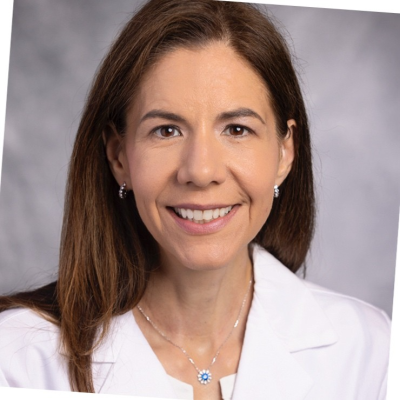
Coordinating the Chaos: How St. Luke’s Built a Unified Post‑Discharge Outreach Model
Christina Musser -
Senior Director, Virtual Care & Patient Experience,
St. Luke's University Health Network
Marisa Schwartz -
Senior Regional Medical Director, Hospital Medicine East Region,
St. Luke's Hospital-Upper Bucks Campus
In this session, St. Luke's will walk attendees through how they identified this system-wide breakdown and built a centralized, technology‑enabled outreach model without adding large numbers of staff. By partnering across patient experience, care management, physician leadership, and hospital operations, they created a coordinated process led by a small team of specialized nurses one that has already produced incredible six‑month results in reducing readmissions and improving follow‑up appointment adherence. This impact is underpinned by St. Luke's broader commitment to excellence, recently recognized by Premier as the #1 health system in the country for quality and safety based on patient outcomes data.
- The Problem : how fragmented outreach, duplicative calls, and lack of shared documentation created risk and patient frustration.
- The Model : the blend of people + technology that now ensures every patient receives coordinated, meaningful follow‑up.
- The Impact : early data showing improvements in readmissions, appointment completion, and patient perception ("St. Luke's actually does care about me").
- The Playbook : practical steps any organization can take to replicate this approach, including governance, workflow design, and cross‑department alignment.

Christina Musser
Senior Director, Virtual Care & Patient ExperienceSt. Luke's University Health Network
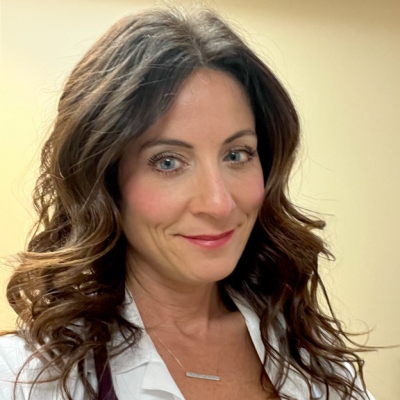
Marisa Schwartz
Senior Regional Medical Director, Hospital Medicine East RegionSt. Luke's Hospital-Upper Bucks Campus
8:00 am - 8:30 am
INTERACTIVE ROUNDTABLE DISCUSSION
Sponsored by: Press Ganey

TRACK 1: Where Experience Data Drives Change
8:00 am - 8:30 am Chairperson’s RemarksTRACK 1: Where Experience Data Drives Change
8:00 am - 8:30 am PANEL: Rounding With Purpose: Using Structured Leadership Presence to Improve PX, Safety, and Flow Michael DeCicco - Director of Patient Experience and Culture, NYU Langone HealthLeadership rounding is most powerful when it is intentional, structured, and tied to action. This panel explores how healthcare leaders are using purposeful rounding to strengthen patient and workforce experience, surface safety risks earlier, and improve operational flow without adding burden. Learn how organizations move beyond informal check‑ins to disciplined leadership presence that builds trust, reinforces priorities, and translates real‑time insights into measurable improvement. Panelists will share practical strategies for scaling effective rounding behaviors, closing the feedback loop, and ensuring leadership presence drives outcomes, not just visibility.

TRACK 1: Where Experience Data Drives Change
8:00 am - 8:30 am Partner Case StudySponsored by: NRC Health
TRACK 1: Where Experience Data Drives Change
8:00 am - 8:30 am PANEL: Making Data Stick: Hardwiring Patient Experience Insights into Daily Operations Alexandra Rodriguez - Patient Experience Director, RWJBarnabas HealthTurn patient experience data into consistent, repeatable action at the frontline. This panel explores how leading organizations move beyond dashboards and reports to operationalize PX insights through huddles, rounding, performance management, and accountability structures. Learn how teams translate data into clear expectations, prioritize the right actions, and sustain behavior change across departments, not just after survey results, but every day.


TRACK 1: Where Experience Data Drives Change
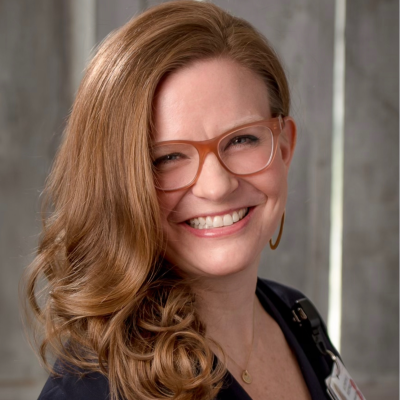
8:00 am - 8:30 am Case Study: From Dashboards to Action: Turning PX Data into Behavior Change Erin Shipley - Vice President of Consumer Experience, Cooper University Health Care Grace Paschall - Customer Experience- Administrative Director, Cooper University HealthCollecting patient experience data is easy, changing behavior is hard. In this case study, leaders from Cooper Health share how they moved beyond dashboards and reports to translate PX insights into clear expectations, frontline action, and sustained behavior change. Learn how the organization identified the data that mattered most, aligned leaders and teams around priority behaviors, and embedded PX insights into daily workflows, huddles, and accountability structures. This session offers practical lessons on closing the loop between insight and action, and ensuring patient experience data leads to measurable improvement, not just awareness.

TRACK 2: Delivering Experience When It Matters Most
8:00 am - 8:30 am Chairperson’s RemarksTRACK 2: Delivering Experience When It Matters Most
8:00 am - 8:30 am PANEL: Consistency at Scale: Creating Reliable Ambulatory Experience Across Hundreds of Locations Ashley Ackerman, MHA, CPXP - System Director, Patient Experience, Baptist HealthAs health systems expand across hundreds of ambulatory sites, delivering a consistently excellent patient experience becomes both more critical and more complex. This panel explores how leading organizations are reducing unwarranted variation while preserving compassion, local context, and clinician engagement across ambulatory networks. Hear how standardized workflows, clear experience expectations, and frontline enablement help teams deliver reliable, high‑quality care at scale. Panelists will share practical approaches for balancing standardization and flexibility, aligning leaders and clinicians around shared behaviors, and ensuring patients receive a seamless experience, no matter where they enter the system.


TRACK 2: Delivering Experience When It Matters Most
8:00 am - 8:30 am Partner Case StudyTRACK 2: Delivering Experience When It Matters Most
8:00 am - 8:30 am PANEL: Language Access as Safety: Designing Interpreter Services that Improve Outcomes Tyler Gegen - System Executive Director, Patient Experience, UnityPoint Health David Weisman - CXO, NYC Health Hospitals/QueensLanguage barriers aren't just a patient experience challenge; they're a patient safety risk that can lead to preventable harm, inequitable outcomes, and eroded trust. This panel reframes language access as a core safety strategy and explores how high‑performing organizations design interpreter services that are dependable in the moments that matter most: the ED, inpatient care, informed consent, procedures, and discharge. Panelists will share practical, scalable approaches to make language support easy to request, quick to deploy, consistent across settings, and embedded in clinical workflow not treated as an add‑on. Learn how teams are improving utilization, reducing delays and workarounds, strengthening understanding at key decision points, and measuring impact through quality, safety, and equity lenses. Attendees will leave with actionable design principles and operational tactics to hardwire language access as a standard of care and a driver of better outcomes.



TRACK 2: Delivering Experience When It Matters Most
8:00 am - 8:30 am CASE STUDY PRESENTATION: Value Without Compromise: Delivering Exceptional Patient Experience in Resource-Constrained Times Ryan Finch - Director Organizational Experience, Holzer Medical CenterIn today's healthcare environment, resource constraints are the rule, not the exception. Yet patients still expect care that is compassionate, personalized, and seamless. The good news? Exceptional patient experience is not about doing more, it's about doing what matters. In this session, participants will explore how organizations can deliver high‑value, high‑impact patient experiences even amid staffing shortages, budget pressures, and operational fatigue. Drawing on real‑world examples and practical frameworks, this presentation challenges the myth that great experience requires more resources and instead reframes value as clarity, alignment, and intentional design.

TRACK 3: Clinician‑Led Experience: From Physician Engagement to Patient Outcomes
8:00 am - 8:30 am Chairperson’s RemarksTRACK 3: Clinician‑Led Experience: From Physician Engagement to Patient Outcomes
8:00 am - 8:30 am PANEL: Bridging Clinical Practice and Patient Experience: What Actually Works Carol Lewis - Professor and Chief Patient Experience Officer, ad interim, MD Anderson Cancer Center Kerrie Fullen - Director, Patient Experience, Norton Healthcare Farzana Hoque MD, MSHA, MRCP, FACP FRCP - Regional Medical Director, Patient Experience, SSM Health St. LouisDelivering meaningful patient experience improvement requires more than collaboration; it requires true alignment and shared ownership between clinicians and patient experience leaders. This panel explores how high performing organizations are moving beyond parallel efforts to integrated, clinician led experience strategies. Panelists will share real-world examples of how aligning physician priorities, leadership behaviors, and PX goals drives safer care, stronger communication, and measurable outcomes for both patients and care teams.

Carol Lewis
Professor and Chief Patient Experience Officer, ad interimMD Anderson Cancer Center



Farzana Hoque MD, MSHA, MRCP, FACP FRCP
Regional Medical Director, Patient ExperienceSSM Health St. Louis
TRACK 3: Clinician‑Led Experience: From Physician Engagement to Patient Outcomes
8:00 am - 8:30 am Partner Case StudyTRACK 3: Clinician‑Led Experience: From Physician Engagement to Patient Outcomes
8:00 am - 8:30 am PANEL: The Next Workforce Challenge: Experience Design for a Changing Care Team Tracy Plume - Director of Nursing, Sharp HealthCare Jenn Wells - AVP of Customer Experience and Brand Strategy, Hancock HealthThe healthcare workforce is changing fast. From new roles and evolving scopes of practice to hybrid teams, technology‑enabled care, and growing reliance on interdisciplinary collaboration, traditional experience models are no longer enough. This panel explores how organizations are redesigning workforce experience to meet the realities of today's care teams while protecting patient outcomes. Learn how leaders are adapting workflows, role clarity, communication, and support structures to improve collaboration, reduce friction, and enable every team member to contribute at the top of their license. Panelists will share practical lessons on designing experience for a workforce that looks and works very differently than it did even a few years ago.


TRACK 3: Clinician‑Led Experience: From Physician Engagement to Patient Outcomes
8:00 am - 8:30 am PANEL: From Speaking Up to Safer Care: The Role of Psychological Safety in Patient ExperiencePsychological safety is a foundational driver of workforce performance and patient outcomes. This panel explores how creating environments where staff feel safe to speak up, report concerns, and ask for help directly impacts safety, quality, and experience. Learn how leaders are operationalizing psychological safety through leadership behaviors, team design, and daily practices, and how those efforts translate into fewer errors, stronger engagement, and better care for patients.